
Embroidery digitizing
Photo Digitizing — Transform Photographs Into Embroidered Art
Master digitizers use advanced blending and shading techniques to translate complex photographs into stunning embroidered masterpieces.
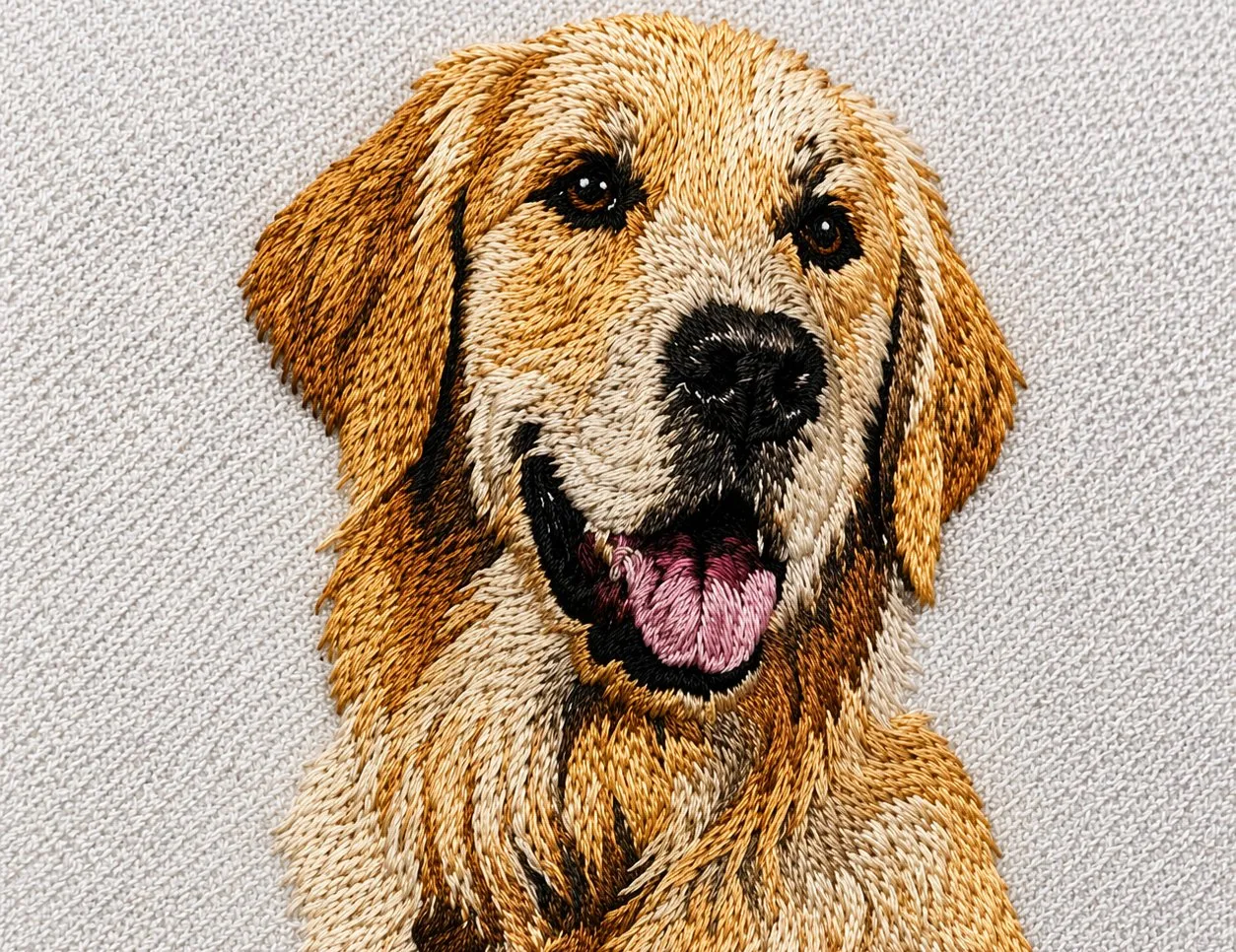
Photo digitizing is the art of converting a photographic image into an embroidery stitch file that, when stitched, faithfully recreates the depth, shading, and detail of the original photograph. This is widely considered the most technically demanding form of embroidery digitizing — requiring advanced understanding of thread color theory, stitch direction blending, density gradients, and the limitations of thread as a medium. Our master photo digitizers have spent years perfecting these techniques.
What Makes Photo Digitizing So Challenging
A photograph can contain millions of colors and infinite gradients. Embroidery thread comes in a limited palette of solid colors — typically 300–500 thread colors. Our master digitizers must translate continuous tone photographic color into carefully blended stitches, using directional shading, thread mixing, and density variation to create the illusion of gradients, highlights, shadows, and depth that the original photograph contains.
Popular Photo Digitizing Applications
- Pet portraits — the most popular photo digitizing category
- Human portraits — family photos, baby portraits, wedding photos
- Memorial tributes — honoring loved ones through embroidered art
- Wildlife and nature photography
- Custom gifts — embroidered photo pillows, frames, and wall art
- Corporate portraiture for executive recognition awards
What Photos Work Best for Digitizing
- High-resolution images (minimum 300 DPI at finished size)
- Clear, well-lit subjects with good contrast
- Simple or non-distracting backgrounds (or we can simplify them)
- Subjects that fill the frame (portrait orientation works well)
- Consistent, even lighting without harsh shadows
Our Photo Digitizing Process
- Photo analysis — we assess complexity, color count, and embroidery suitability
- Color reduction — reducing photographic colors to embroiderable thread palette
- Stitch direction mapping — programming directional fills to simulate light and depth
- Density gradient — varying stitch density to replicate shadow and highlight
- Quality review — checking all areas for accuracy before delivery
Questions
Photo Digitizing Services — asked and answered.
What resolution does my photo need to be for digitizing?
How much does photo digitizing cost?
Can you remove or simplify the background from my photo?
Related work
Often ordered alongside this.
Start a job
Send the artwork.
Get a price in minutes.
No account needed to ask. Tell us what you are stitching and we will come back with an exact quote, a stitch estimate and a delivery time — usually inside the hour.
- Exact price before any work starts
- Free unlimited revisions
- Same-day rush at no surcharge
- Every machine format included
Prefer to talk? +1 206-312-6446 · 24/7
Request a quote
We reply to every enquiry within the hour, around the clock.
No account needed · We never share your artwork